
ASBESTOS EXPOSURE & TRANSPORT WORKERS
Dust exposure in these conditions can enter vehicle cabins, putting drivers at risk even when they are not directly handling asbestos materials.
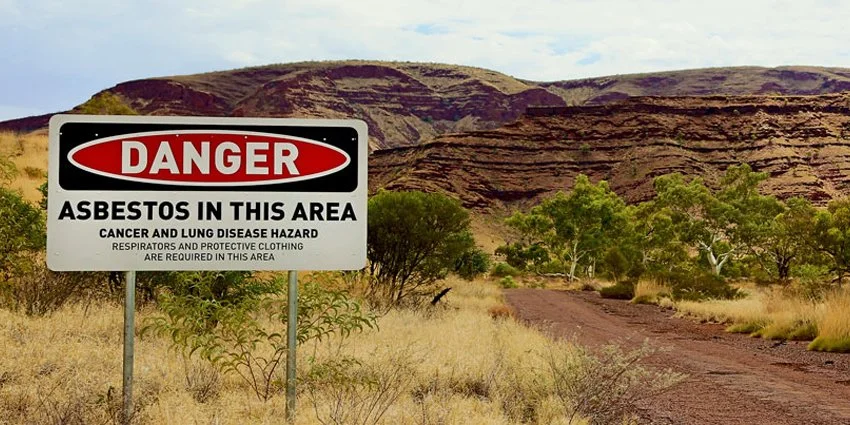
High Risk Environments
Wittenoom Exclusion Area (WAMA)
Airborne asbestos fibres present in surrounding areas
Nanutarra-Munjina Road
An unsealed Pilbara route where dust exposure is significant, particularly when drivers are required to dislodge dust from tyres before re-entering sealed roads
Vehicle Cabin
Inadequate filtration can allow contaminated dust to be inhaled during normal operations
Transport workers face real and ongoing risks of asbestos exposure across the industry, not just in workshops, but on the road, in depots, and even in the air.
Where Exposure Happens
The most well-known risk comes from maintaining older vehicle components such as brake pads, linings, clutch plates and gaskets, particularly in vehicles manufactured or imported from countries where asbestos is still not fully banned.
But exposure goes far beyond mechanical work.
In Western Australia’s Pilbara region, transport workers are encountering airborne asbestos fibres through contaminated dust. This is especially concerning in and around the Wittenoom Asbestos Management Area (WAMA)—a 46,840-hectare exclusion zone deemed unsafe for human habitation. Despite this, some workers are still required to travel through the area to access mining operations.
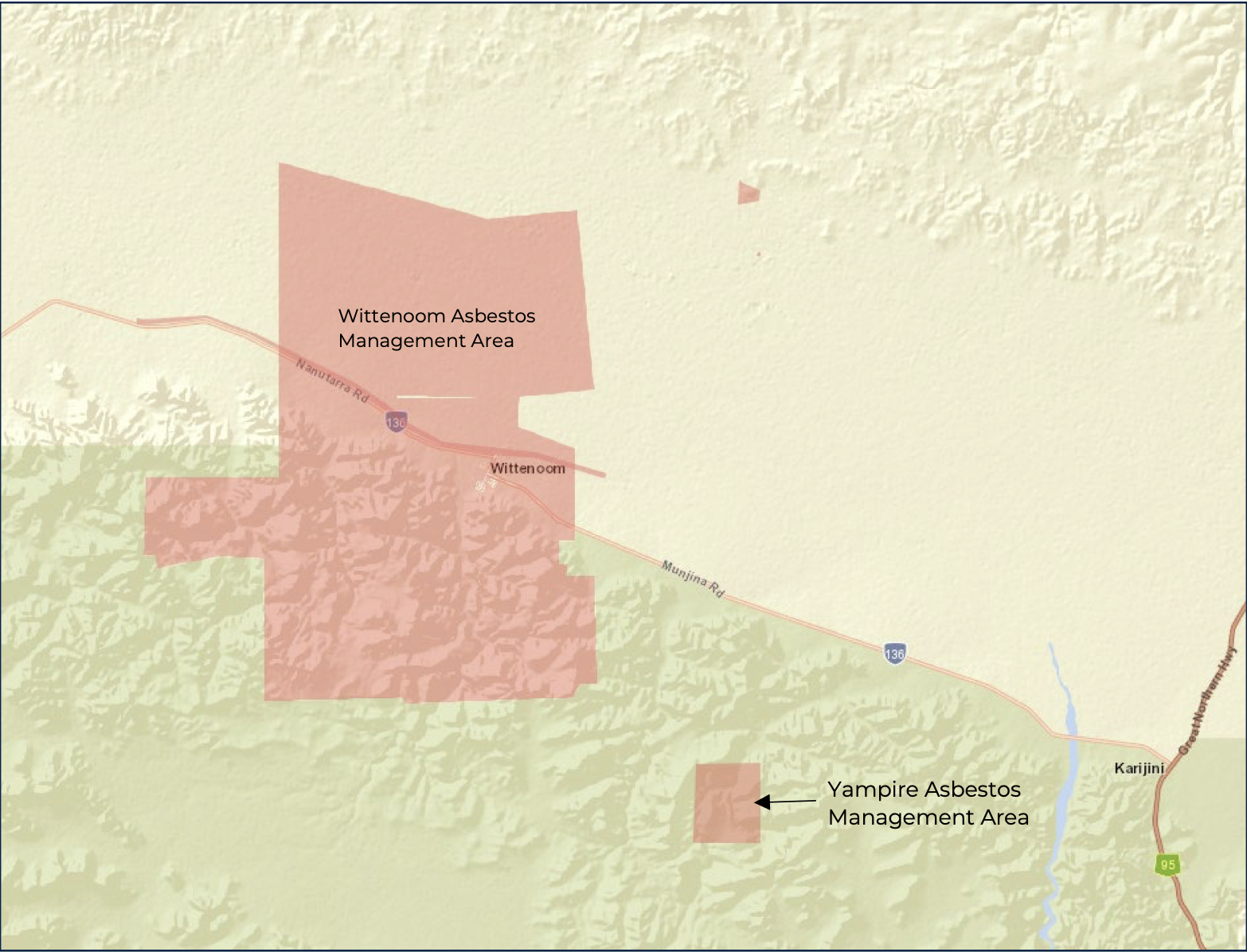
Wittenoom and Yampire Asbestos Management Areas (AMA)
Source: Department of Water and Environmental Regulation – Contaminated Sites Database
Asbestos exposure is not limited to road transport.
Recent incidents have shown that aviation workers, including cabin crew on FIFO routes from Northwest WA, have been exposed to asbestos-contaminated dust brought onboard by passengers working in mining environments.
This highlights how easily asbestos fibres can travel and how wide-reaching the risk is across the transport workforce.
It’s not just truck drivers
At a minimum, workers entering these environments must be provided with properly fitted PPE and HEPA filtration systems in vehicle cabins.
Be Alert, not Alarmed
One of the most dangerous aspects of asbestos exposure is the latency period.
Diseases caused by asbestos, such as mesothelioma, asbestosis and lung cancer, can take 10 to 40+ years to develop after exposure. Workers may feel completely fine for decades before symptoms appear.
That’s why even low-level or one-off exposures should be taken seriously.
Early awareness, proper protections, and regular health monitoring are critical.
FREE HEALTH CHECKS
Transport workers can register for a free asbestos health check here: